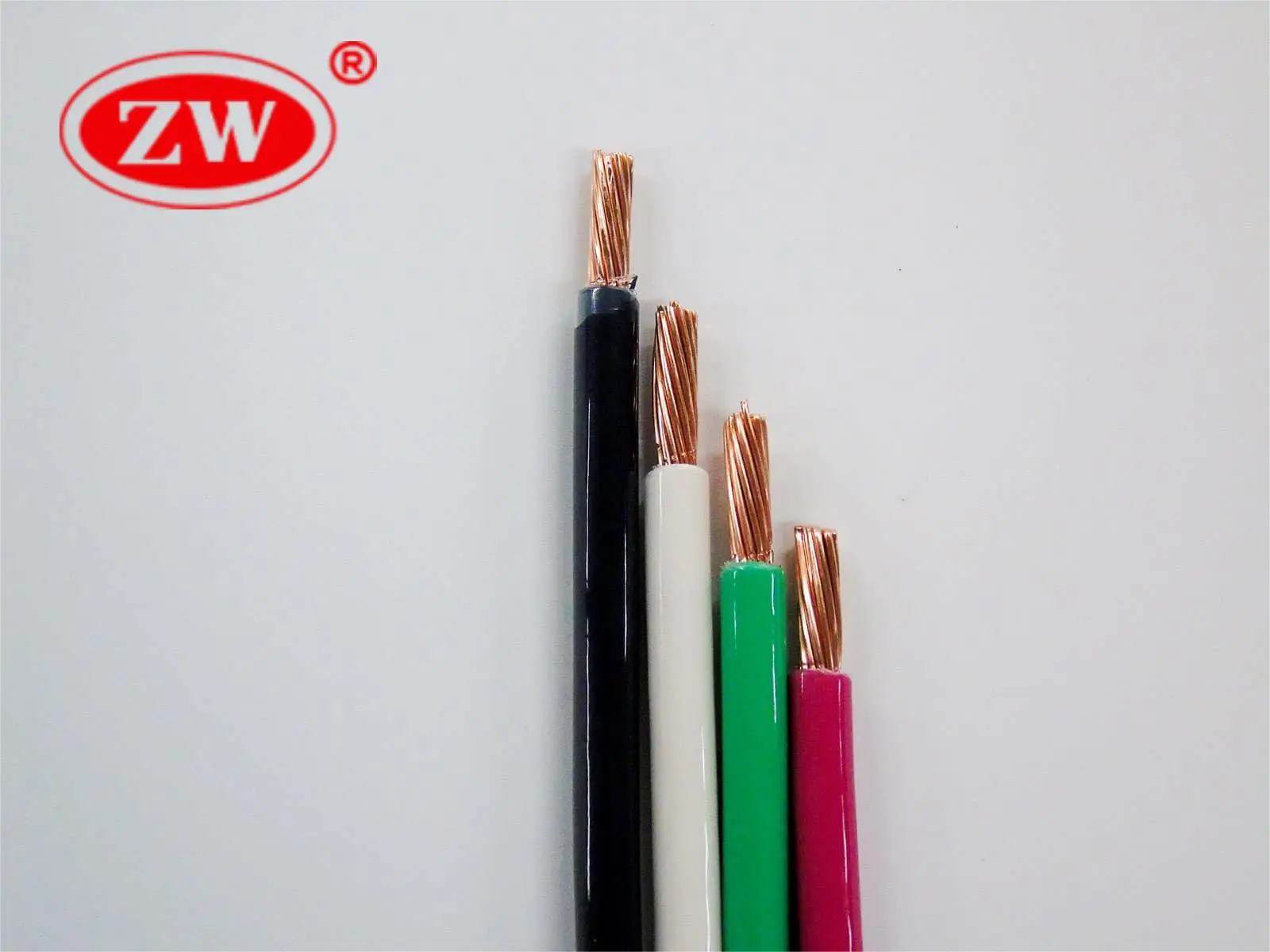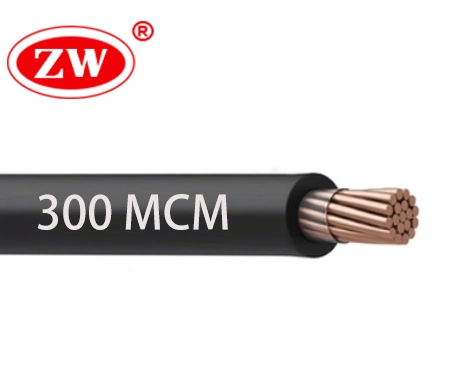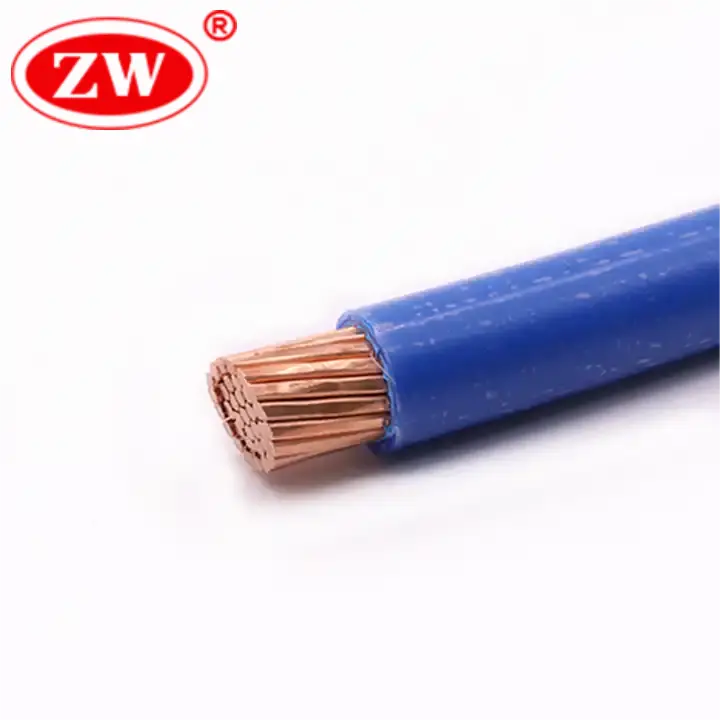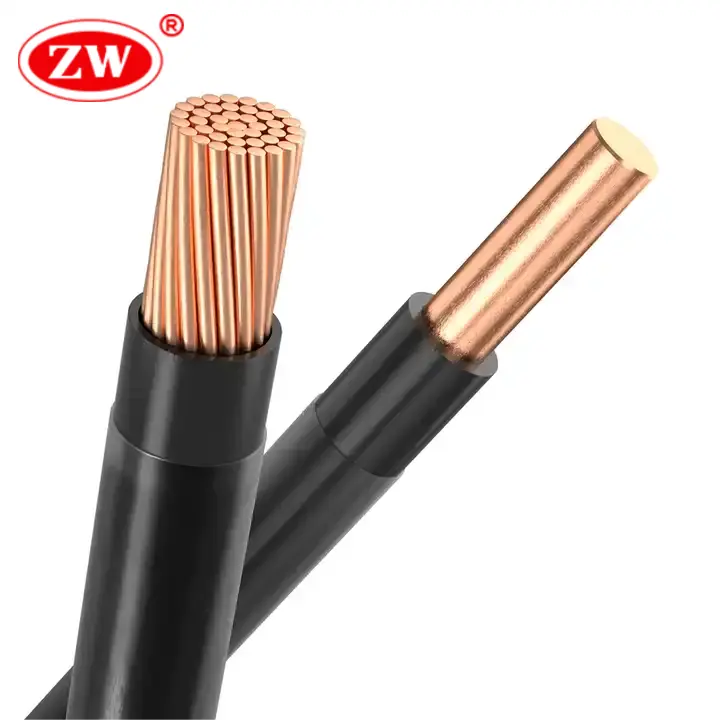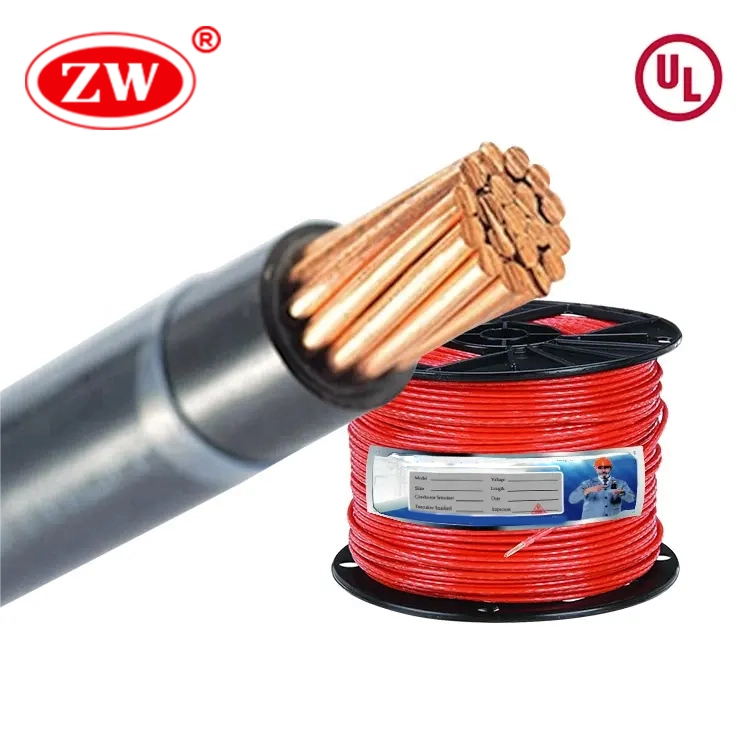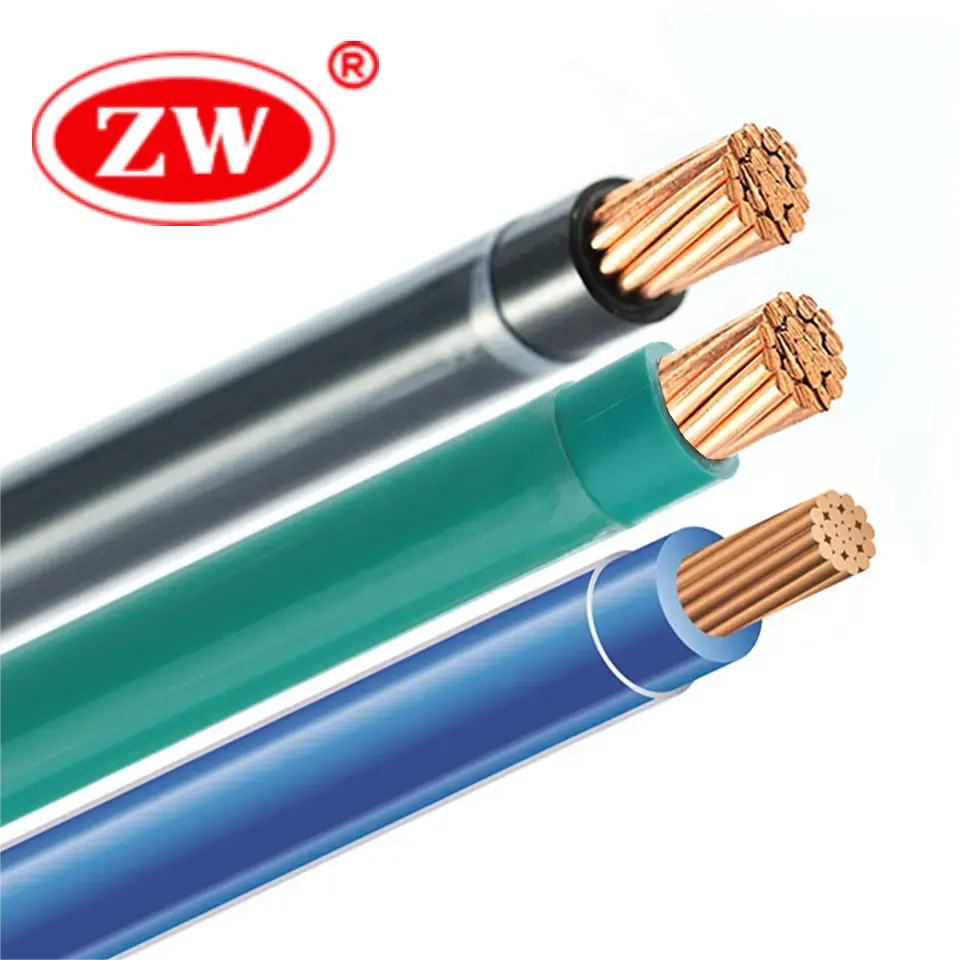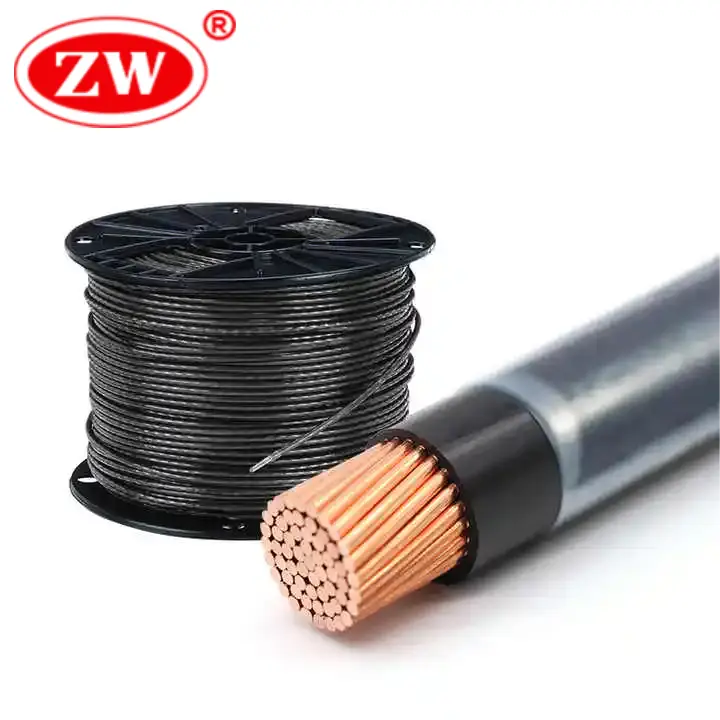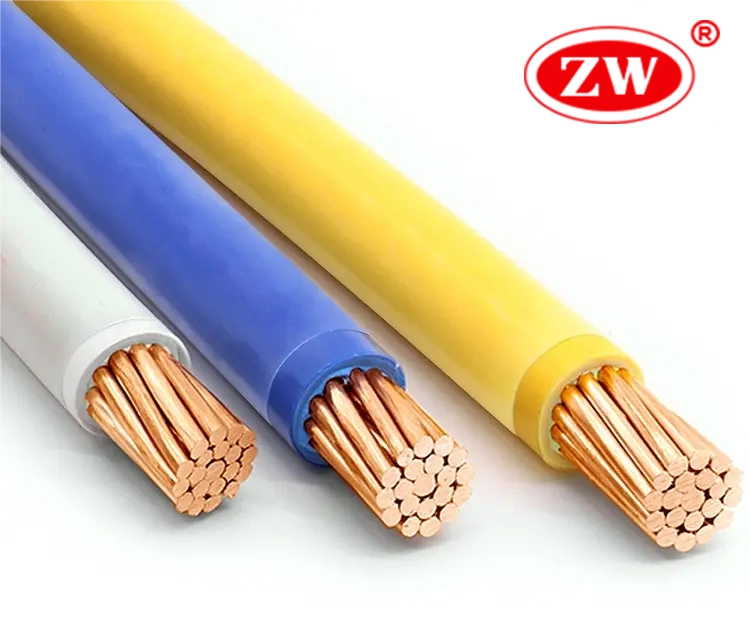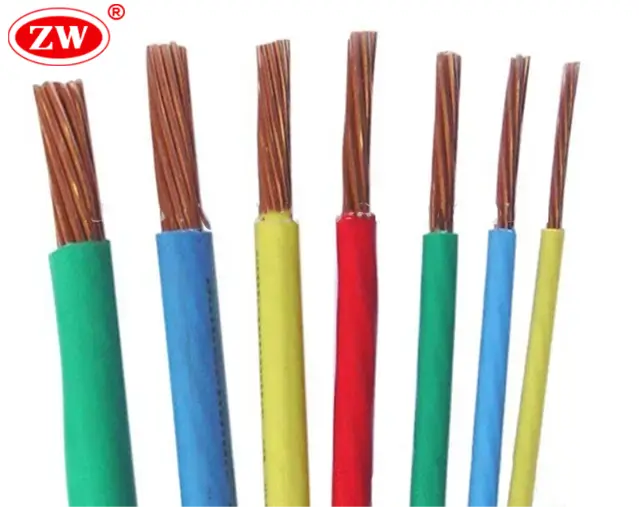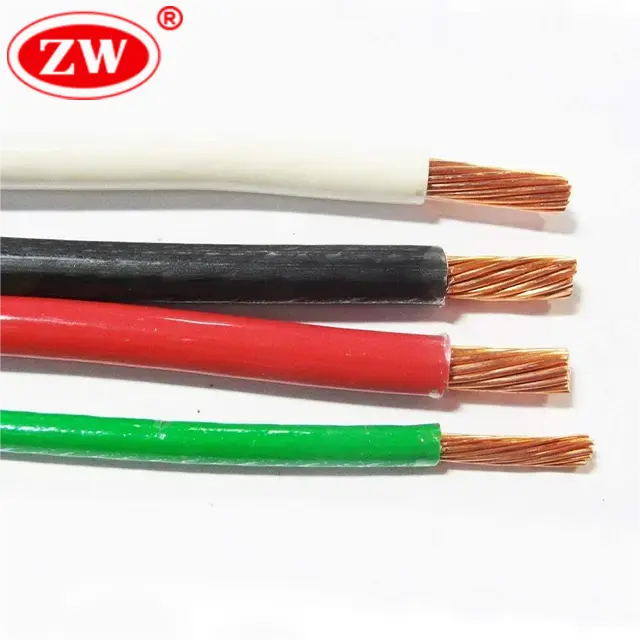
THHN/THWN-2 is the standard single-core conductor for North American conduit systems. While electrical specifications are standardized across the industry, on-site installation performance depends heavily on the overall product quality. Our product utilizes a high-lubricity “Slick Nylon” coating designed to significantly reduce pulling tension, allowing contractors to navigate complex conduit runs and multiple bends with less force and minimal risk of jacket damage.
To ensure reliability during termination and operation, we utilize soft-drawn ASTM B3 annealed copper for optimal ductility, paired with a dual-rated insulation system. This configuration supports full 90°C ampacity in both wet and dry locations.
Read More
What is THHN Wire?
THHN: Thermoplastic High Heat-resistant Nylon (Rated for 90°C in Dry Locations).
THWN-2: Thermoplastic Heat and Water-resistant Nylon (Rated for 90°C in Wet Locations).
Technical Note: Most of today’s supply is also dual-marked THHN/THWN-2. Unlike older “THWN” (rated 75°C Wet), the “-2” suffix indicates the insulation system is engineered to retain 90°C ampacity even in wet locations.
Primary Application: General purpose wiring installed in conduit (EMT, IMC, Rigid, PVC) or other recognized raceways for services, feeders, and branch circuits.
Construction Specifications (ASTM & UL Standards)
We adhere to rigorous material standards to ensure ease of pulling (installation) and electrical stability.
- The Conductor (ASTM B3/B8) Our foundation is soft-drawn, annealed bare copper designed for optimal conductivity and pliability. We supply standard 10, 12, and 14 AWG sizes in both Solid and Stranded configurations. For larger feeder sizes, our THHN/THWN-2 wire is manufactured in 19 strands (for medium gauges) and more than 37 strands (for large gauges).
- The Insulation (PVC) The copper is encased in a heat- and moisture-resistant Polyvinyl Chloride (PVC) compound. Precision-extruded to guarantee concentricity and uniform wall thickness, this insulation supports the cable’s dual 90°C rating. It is self-extinguishing and fully meets VW-1 (Vertical Wire) flame test standards.
- The Jacket (Slick Nylon) The outer armor is a tough Polyamide (Nylon) jacket that defends the PVC against abrasion, gasoline, and oil. We utilize an advanced “Slick Nylon” technology which significantly reduces the coefficient of friction.
THHN/THWN-2 vs Alternatives
Different types of wires and cables are similar to the THHN wires available on the market.
THHN vs. MTW (Machine Tool Wire)
Most of our stranded THHN cables carry a dual MTW listing. However, “pure” MTW generally features a higher strand count for superior flexibility inside cramped control panels. If your application involves constant vibration or tight bending radii in automation cabinets, reviewing the specific differences in flexibility and jacket thickness in our MTW vs. THHN guide.
THHN vs. TFFN (Fixture Wire)
Think of TFFN as the “lighter duty” cousin of THHN. THHN is typically available down to 14 AWG for branch circuits. When you need 16 AWG or 18 AWG for lighting fixtures or fire alarm control circuits, you must switch to TFFN. For a detailed breakdown of ampacity limits and insulation differences, refer to our comparison of TFFN vs. THHN.
THHN vs. XHHW-2 (Cross-Linked)
THHN uses PVC/Nylon (Thermoplastic), while XHHW-2 uses XLPE (Thermoset). XLPE offers better resistance to leakage current and chemicals but is thicker and stiffer. For engineers deciding between cost and chemical resilience, our engineering note on THHN vs. XHHW provides the critical data needed for the decision.
THHN vs. Solar PV Wire
A common mistake is attempting to use THHN for rooftop solar interconnections. Standard THHN is rated for 600V and often lacks long-term UV stability for direct exposure. Solar PV wire is rated for 1000V/2000V and has a much thicker jacket designed for intense sunlight. To avoid inspection failures, please read our guide on Choosing the Right Wire for Solar: PV Wire vs. THHN Wire.
THHN Wire Specification
| Parameter | Specification |
| Voltage Rating | 600 Volts |
| Reference Standards | UL 83 (File No. [Insert if avail]), CSA C22.2 No. 75, UL 1063 (MTW) |
| Temperature Rating | 90°C Dry / 90°C Wet |
| Conductor Purity | Soft Annealed Bare Copper (ASTM B3) |
| Insulation Resistance | Excellent resistance to heat, moisture, oil, and gasoline |
| Conduit Compatibility | EMT, IMC, Rigid Steel, PVC Schedule 40/80 |
| Environmental Compliance | RoHS / REACH |
Ampacity & Temperature Constraints
To ensure code compliance, it is critical to distinguish between the Wire Rating and the Termination Rating. Although our THHN/THWN-2 is engineered to handle 90°C, most circuit breakers and lugs are limited to 75°C.
- For Sizing: Always select your wire gauge based on the 75°C column (NEC Table 310.16) to match standard equipment terminals.
- For Derating: Use the higher 90°C rating as your starting baseline when calculating adjustments for hot environments (like rooftops) or when bundling more than three wires in a conduit.
Ampacity Reference (3 Conductors in Raceway, 30°C Ambient):
| AWG / MCM | Structure | 75°C Rating
(Termination Limit) |
90°C Rating
(Derating Base) |
| 12 AWG | Solid | 25 A | 30 A |
| 10 AWG | Solid | 35 A | 40 A |
| 8 AWG | Stranded | 50 A | 55 A |
| 6 AWG | Stranded | 65 A | 75 A |
| 4 AWG | Stranded | 85 A | 95 A |
| 4/0 AWG | Stranded | 230 A | 260 A |
| 500 MCM | Stranded | 380 A | 430 A |
Common THHN Failure Points & Diagnostics
1) Overheating in conduit
Root causes:
- No derating for conductor count, bundling, or hot ambient conditions
- Termination temperature limits not considered during sizing
- Raceway routing near heat sources
Field signs: discoloration near terminations, brittle insulation, repeated breaker trips under load.
2) Mechanical damage during pulling
Root causes:
- Burrs, sharp bends, rough conduit interiors
- Excessive pull tension or too many bends between pull points
- Incompatible lubricant or poor reel handling leading to kinks
Field signs: jacket scoring, intermittent faults, insulation damage discovered during testing.
3) Environment mismatch (wet/oil exposure limits)
Root causes:
- Assuming “THHN” automatically covers wet locations
- Ignoring oil-exposure temperature limitations stated on some product datasheets
Field signs: accelerated jacket degradation, noncompliance during inspection, unexpected temperature limitations in service.
4) Cold Temperature Cracking
Root causes:
-
Handling or bending THHN at temperatures below -10°C (14°F) without pre-warming (using “hot boxes”).
-
The outer nylon jacket becomes glass-like in freezing conditions, losing its flexibility compared to the inner PVC insulation.
-
Dropping reels or striking the wire when frozen.
Field signs: The outer nylon jacket exhibits brittle, glass-like shattering or radial cracking at bend points, often flaking away to expose the underlying insulation or conductor.
“Ready to source directly from one of the industry’s 7 leading THHN wire manufacturers?or [Contact Our ZW Cable Team] for a formal quote or to request full Specification Sheets!