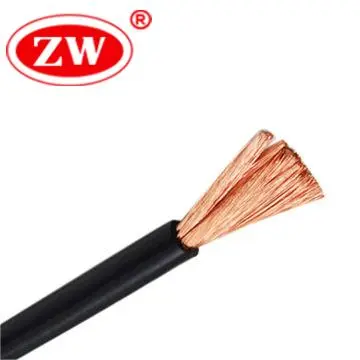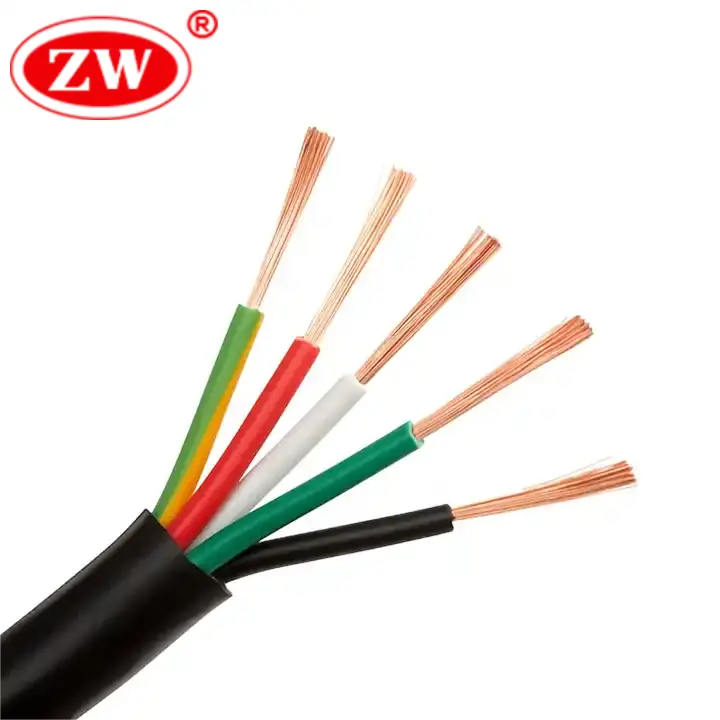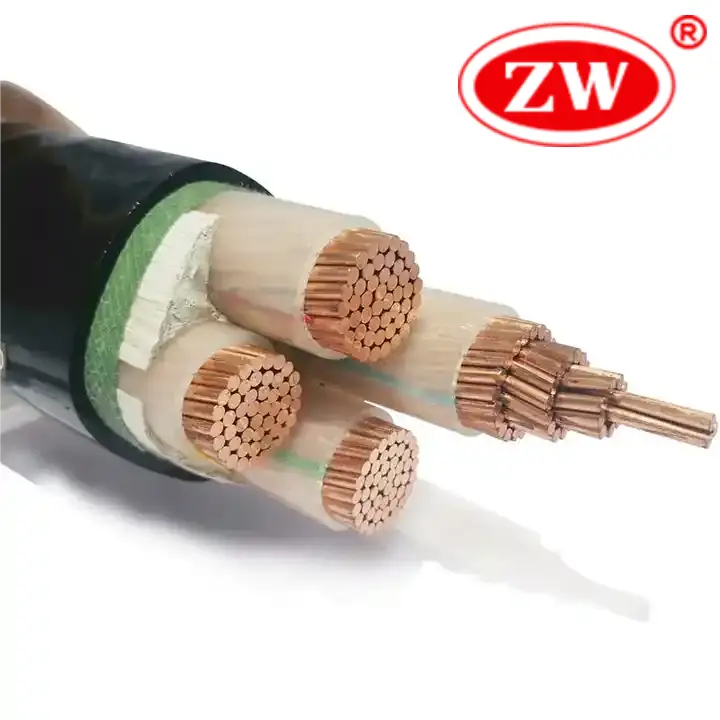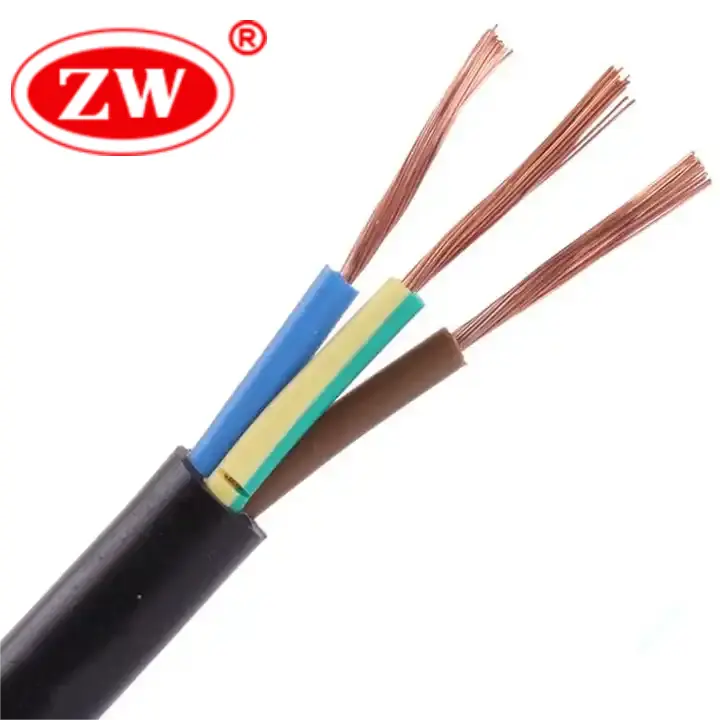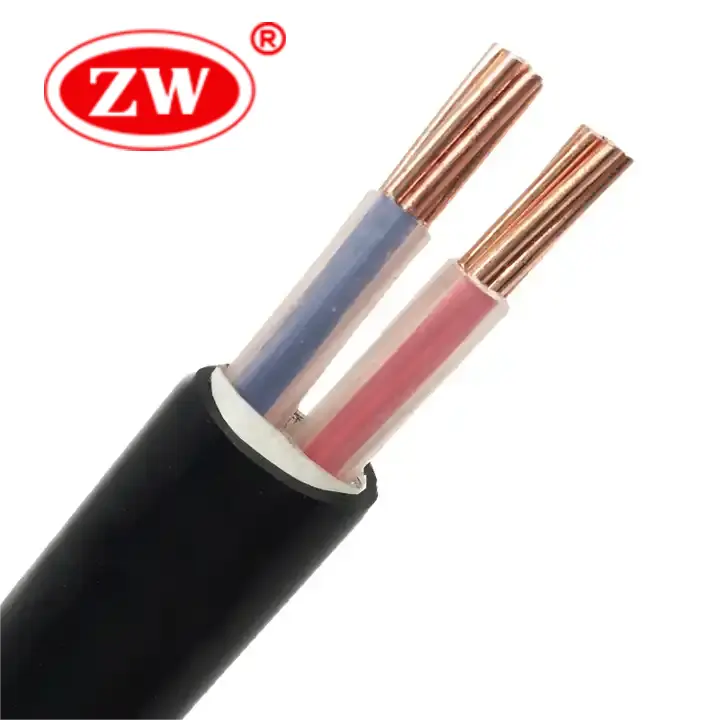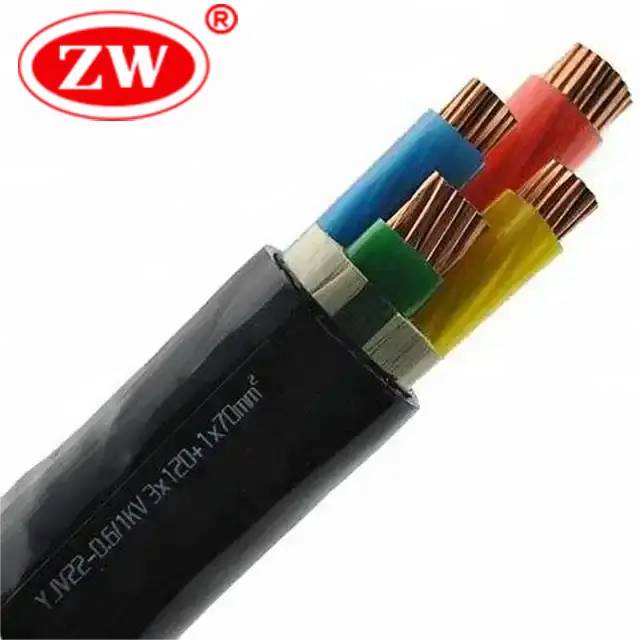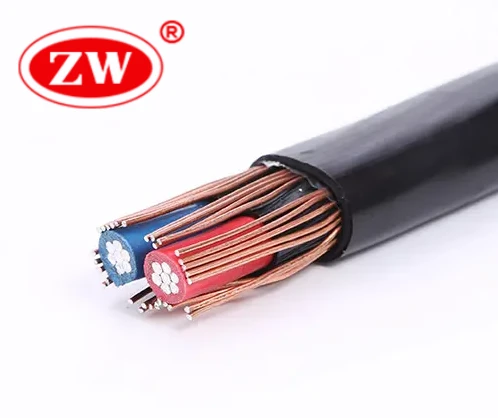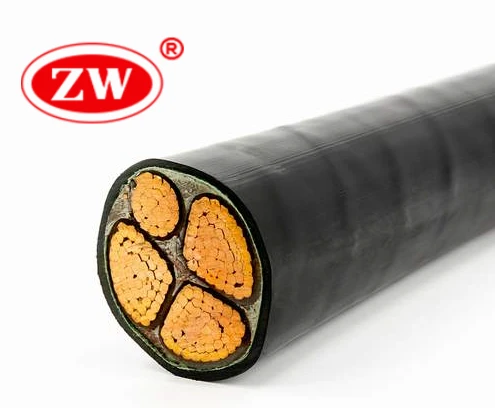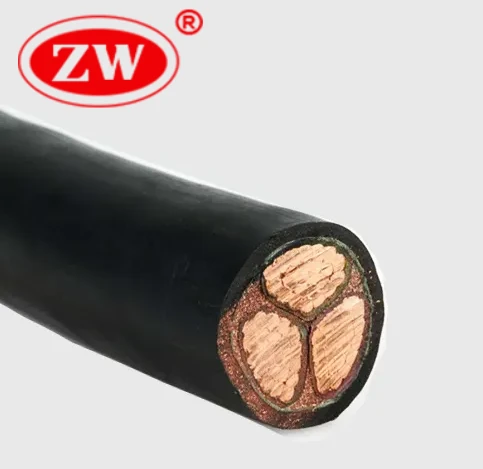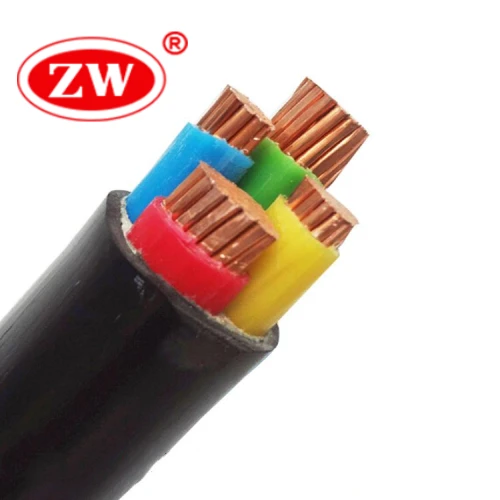
Low Voltage (LV) cabling covers the entire spectrum of electrical transport below 1,000V AC (per IEC 60038), serving two primary engineering needs: Power Distribution (0.6/1kV) and Signal & Control infrastructure (Data, Automation, and Instrumentation).
At ZW Cable, we manufacture comprehensive low-voltage solutions strictly compliant with IEC 60502-1 and BS 5467 standards. Whether your project requires standard bulk supply or custom-engineered configurations with specific chemical resistance or phase-matched lengths, we deliver certified performance tailored to exact physical and electrical specifications.
Read More
What is Low Voltage Cable?
Low Voltage (LV) cables act as the primary arteries for secondary power distribution, connecting transformers to main distribution boards and end-use equipment. According to IEC 60038, these cables are rated for operation in AC systems up to 1,000V and DC systems up to 1,500V. Common commercial specifications fall into the 300/500V, 450/750V, and 0.6/1kV ratings.
Structural Difference from Medium Voltage
Low Voltage designs are typically constructed without the semi-conductive screening layers essential for controlling high electrical stress in higher voltage classes.
- Low Voltage (0.6/1kV): Relies solely on the thickness of the insulation material (PVC or XLPE) to contain the current.
- Medium Voltage (3.6kV+): Requires a complex system of Semi-Conductive Screens to manage electrical stress fields. Using an LV design methodology for voltages above 1kV will lead to immediate insulation breakdown due to uncontrolled electrical stress.
What types of low voltage cables does ZW Cable offer?
Our inventory covers the full spectrum of the low-voltage domain, from heavy-duty power feeders to precision data transmission lines.
Power Distribution Cables (0.6/1 kV)
- XLPE Insulated Feeders: Utilizing Cross-Linked Polyethylene (XLPE) allows for a maximum conductor operating temperature of 90°C. Compared to PVC (70°C), XLPE cables offer higher ampacity (current-carrying capacity) and superior resistance to thermal aging.
- PVC Insulated Cables: A versatile solution for static installations where extreme thermal performance is not critical. It offers excellent flexibility and chemical resistance.
- Armoured Power Cables:
SWA (Steel Wire Armour): Used for multi-core cables requiring high tensile strength (vertical runs).
AWA (Aluminium Wire Armour): Specifically for single-core cables to prevent eddy current heating that occurs with magnetic steel armour.
Control & Instrumentation Cables
- Flexible Control (YY/CY/SY): Designed for connecting PLCs to field devices. Available with Tinned Copper Braid (CY) for EMI protection or Steel Braid (SY) for mechanical durability.
- Instrumentation Cables: Featuring twisted pairs and individual/overall foil screens, these cables provide robust isolation to prevent signal degradation over long transmission distances.
Data & Signal Transmission
- Twisted Pair (LAN) Cables: Cat5e, Cat6, and Cat7 cables manufactured for high-speed data transmission, complying with structured cabling standards.
- Alarm & Security Cables: Multi-core, shielded or unshielded cables optimized for connecting sensors, detectors, and low-voltage electrical circuits in security systems.
Applications & Installation Conditions
Proper cable selection requires matching the mechanical and chemical properties of the cable structure to the specific environmental stresses of the installation site.
Industrial Power & Indoor Distribution
- The Scenario: In manufacturing plants and commercial buildings, cables are typically installed in overhead trays, ladders, or indoor ducts. These environments present a dual threat: thermal deratingcaused by the cumulative heat of bunched cables, and potential chemical degradation from exposure to hydraulic oils or cleaning solvents.
- Recommended Structure:
- Insulation: XLPE is recommended for its 90°C rating, allowing for better current handling in bunched configurations.
- Sheath: PVC (Oil-Resistant variant) is standard. For environments with sensitive equipment, Shielded (EMC) variants should be used to prevent electromagnetic interference.
Underground Direct Burial & High Mechanical Stress
- The Scenario: Cables designated for direct burial in soil, rocky terrain, or areas subject to heavy vehicular traffic face aggressive physical conditions. The primary risks include mechanical crushing from high ground pressure, accidental impact from excavation tools, rodent damage to the jacket, and long-term water ingress which can compromise insulation resistance.
- Recommended Structure:
- Mechanical Protection: SWA (Steel Wire Armour) or STA (Steel Tape Armour) is mandatory to provide crush resistance and a barrier against rodents.
- Outer Sheath: MDPE/HDPE is preferred over PVC for buried cables due to its superior hardness and resistance to water absorption.
Building & Public Infrastructure
The Scenario: For installations in high-density public spaces such as schools, hospitals, airports, and tunnels, the critical concern shifts from mechanical strength to fire safety. In a fire event, standard cable materials become a hazard, releasing dense black smoke that obscures escape routes and toxic halogen gases that corrode sensitive electronics and harm human respiratory systems.
- Recommended Structure:
- Material: LSZH (Low Smoke Zero Halogen) insulation and sheathing.
- Performance: These cables utilize hydrated mineral fillers that release water vapor when burned, retarding flame spread and ensuring low smoke emission.
Do low voltage cables meet industry standards?
Compliance ensures interoperability and safety. ZW Cable manufactures products that adhere strictly to rigorous international frameworks:
- IEC 60502-1: Specifies construction and testing requirements for 1kV-3kV power cables with extruded insulation, ensuring long-term dielectric stability.
- BS 5467: The standard for armoured (SWA) thermosetting cables rated 600/1000V, ensuring robust mechanical protection in harsh environments.
- IEC 60228: Defines conductor classes and maximum DC resistance limits to guarantee copper purity and electrical conductivity.
- ANSI/TIA-568: Mandates strict performance limits on signal crosstalk and attenuation for commercial building telecommunications cabling.
- ISO/IEC 11801: The international standard for generic cabling systems, ensuring global bandwidth performance and network interoperability.
- IEC 60332: Certifies flame retardancy and self-extinguishing properties to prevent fire spread in vertical or bunched installations.
Can I request a custom low voltage cable configuration from ZW Cable?
Standard catalog items cover general requirements, but optimized engineering often demands customization. As a manufacturer, ZW Cable provides tailored solutions to resolve specific project constraints:
- Composite Cable Design: We can manufacture hybrid cables that combine Power Cores (e.g., 3×2.5mm²) and Shielded Data Pairs (e.g., 2×0.34mm²) within a single jacket. This reduces installation labor and cable tray congestion.
- Non-Standard Identification: Custom insulation colors (e.g., Blue/Red/Grey for DC systems) or alphanumeric coding to match legacy system diagrams.
- Custom Armour Configurations: Flexible selection of Wire (SWA/AWA) for tensile loads or Tape (STA) for crush resistance, ensuring the mechanical barrier is perfectly sized for your specific burial conditions.
- Phase-Matched Lengths: For parallel feed systems, we can supply cables cut to precise, matched lengths to ensure equal impedance and balanced current distribution.
How can I order low voltage cables from ZW Cable?
Ordering from Central Wires is simple and convenient. You can:
Request a Free Quote: Click the “Request a Free Quote” button on our website and fill out the form with your specifications.
Contact Us Directly: Reach out to our sales team via phone or email for personalized assistance. We’re here to help you find the right cables for your project.